



Your first international trip hits like a mix of excitement and pure dread. The checklist seems endless before you've even begun.
No one tells you it'll feel this overwhelming.
This guide takes you through everything traveling internationally for the first time demands, from passport to landing. Each stage gets covered in sequence, with India-specific context woven throughout. No vague advice, no recycled tips you've already seen somewhere.
Visa approval and fixed flight prices aren't things I can guarantee. Those hinge on factors nobody controls. What you do get is a clear, honest walkthrough of international travel tips for first-time travellers.
Sort Your Passport and Visa Before You Do Anything Else
Start here, before you book anything.
Why the 6-Month Passport Validity Rule Catches Everyone Off Guard
According to Go Overseas travel guidance, a Many travellers tend to overlook passport expiration dates when they have a passport valid for ten years. Most travellers don't notice their passport is expiring until it's already too late. That's a costly mistake.
Check your blank pages too. Some countries want two or more empty pages available for stamps. Apply for renewal well ahead of your trip, not the week before departure.
Visa requirements shift entirely based on where you're going.
How to Figure Out Which Visa You Need (And Where to Apply)
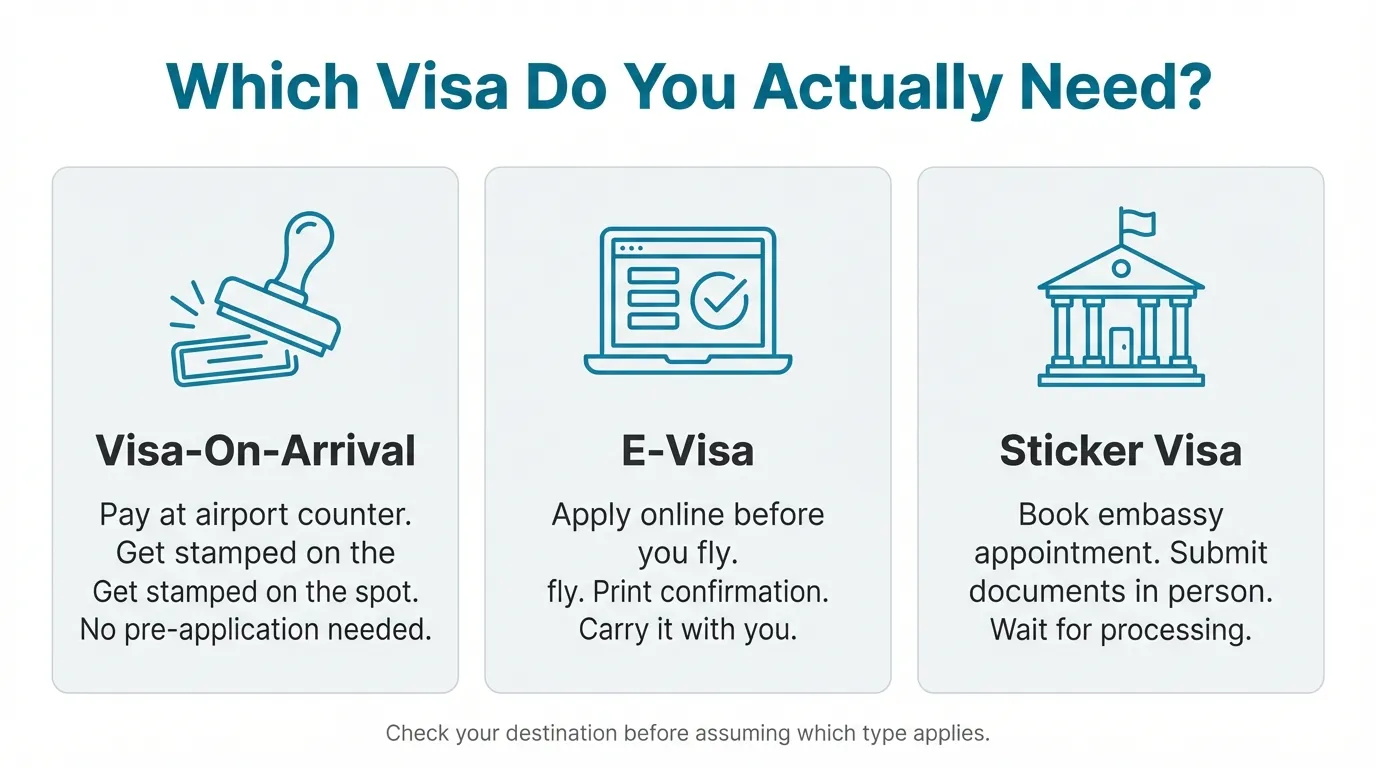
- Visa-on-arrival - you pay and get stamped at the airport.
- E-visa - you apply online before departure and carry a printout.
- Sticker visa - requires an in-person embassy appointment.
Check which type your destination offers. Australia working holiday visa and New Zealand working holiday visa are two popular options worth knowing.
No guide can guarantee your visa gets approved. Apply early, submit complete documents, and follow instructions exactly.
Pick Your Destination and Actually Research It Properly
How to Choose a Destination That Won't Overwhelm a First-Timer
Browse Matador Network travel inspiration or Travel Channel destination guides to generate ideas, then filter by budget and comfort level.
Read genuine traveller reviews on TripAdvisor destination reviews before locking anything in. Watch first-time international travel video guide and destination research tips for travellers to get a real sense of the place. Thailand, Vietnam, UAE, and Singapore rank as popular first-trip picks for Indian travellers specifically because visa-on-arrival availability and English signage make them far less intimidating to manage.
Research is not optional.
The Local Laws and Customs Research That Most People Skip
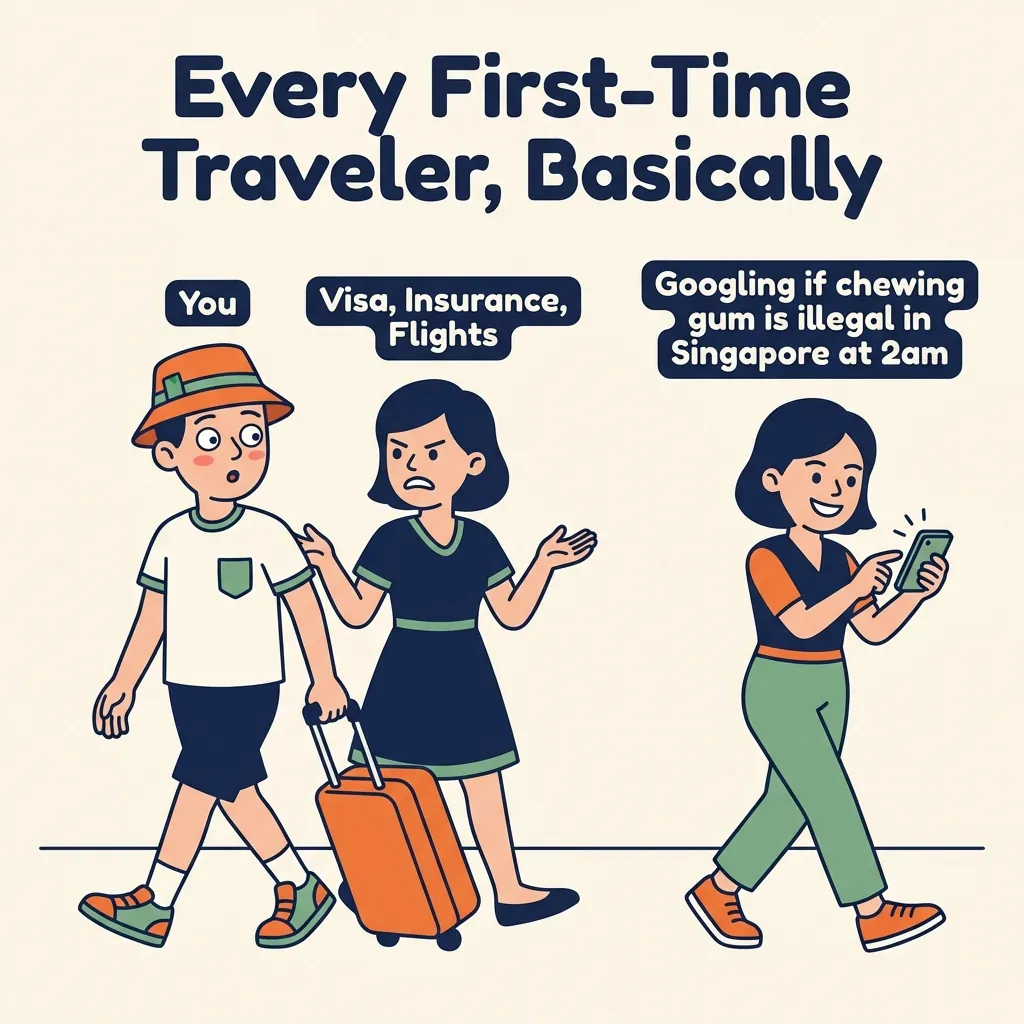
Chewing gum is illegal in Singapore. Feeding pigeons is prohibited in Venice. Not jokes, and ignorance holds zero weight as a legal defense. Book accommodation through Booking.com for accommodation early to secure better rates.
Boutique hostels on Hostelworld for budget stays or Hostelz.com hostel comparison tend to cost less and offer more character than budget hotels. Booking early matters, especially when peak season shrinks availability fast.
Dress codes at religious sites carry real weight too, particularly across temple-heavy destinations in Asia. Sort this out before you pack a single bag. Gomio student accommodation is worth a look for student travellers working with a tight budget. Book late and you pay more for worse options.
Get Your Money Sorted Before You Land
The Cash vs Card Debate Nobody Gives You a Straight Answer On
Neither cash nor cards work perfectly everywhere. Simple as that.
Call your bank before you fly. Sudden card activity in a foreign country triggers fraud alerts, your card gets blocked, and you end up stranded without access to your own money. Ask specifically about international transaction fees and partner ATMs overseas.
Some countries run almost entirely on cash. Small restaurants, local markets, and taxis often have no card readers at all. Carry enough local currency to cover your first day, minimum. Check the best travel credit cards for students options if you plan to rely on plastic.
How Much Foreign Currency Should You Actually Carry
Research average daily costs for your specific destination first. Split your cash between your wallet and a separate bag pocket so you're not carrying everything in one spot.
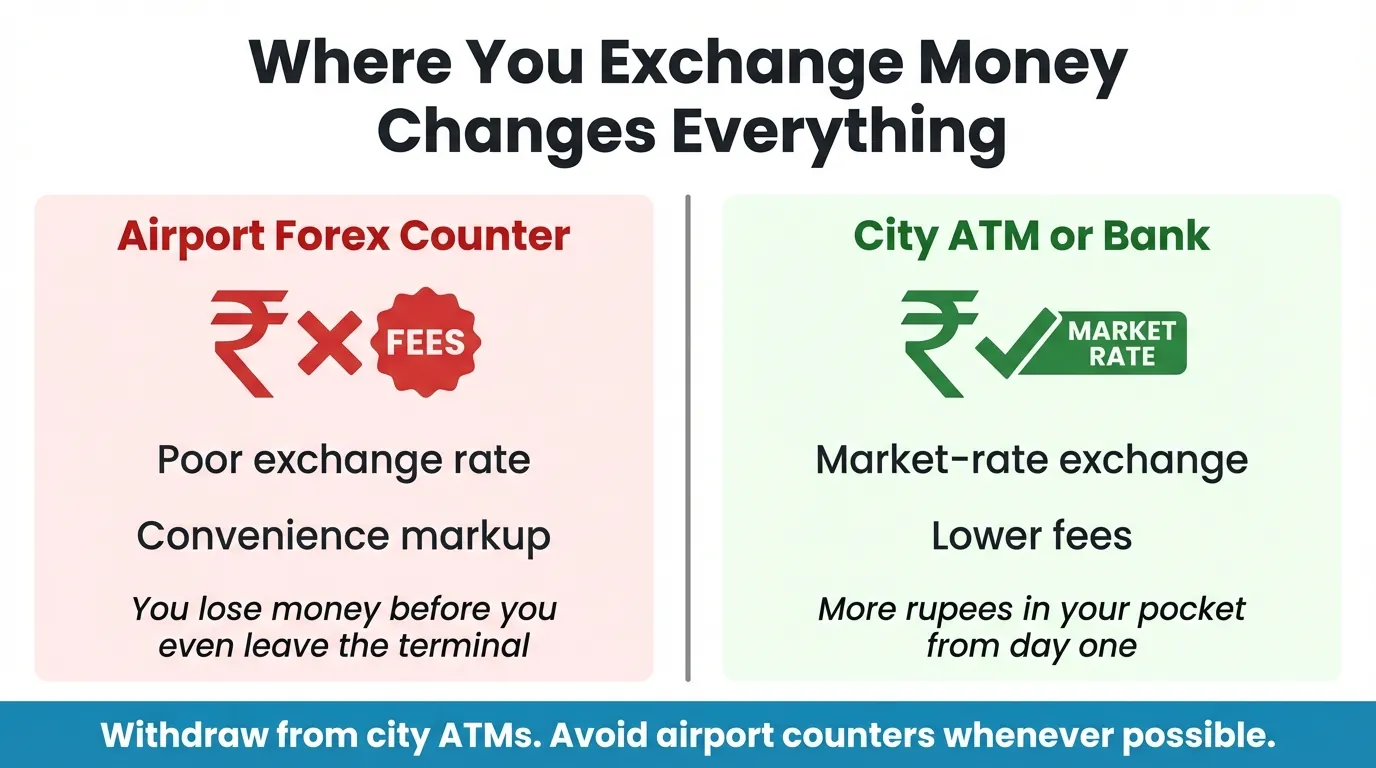
Avoid exchanging currency at the airport whenever possible. Airport forex rates are consistently bad. Withdraw from ATMs in the city instead. Use travel essentials for going abroad as a checklist to confirm you've covered the basics. Carry only what you need each day, not your entire trip budget in a single place.
Why Travel Insurance Is the One Thing You Cannot Skip
What Travel Insurance Actually Covers (And Why You Need It Day One)
Travel insurance is not optional. Full stop.
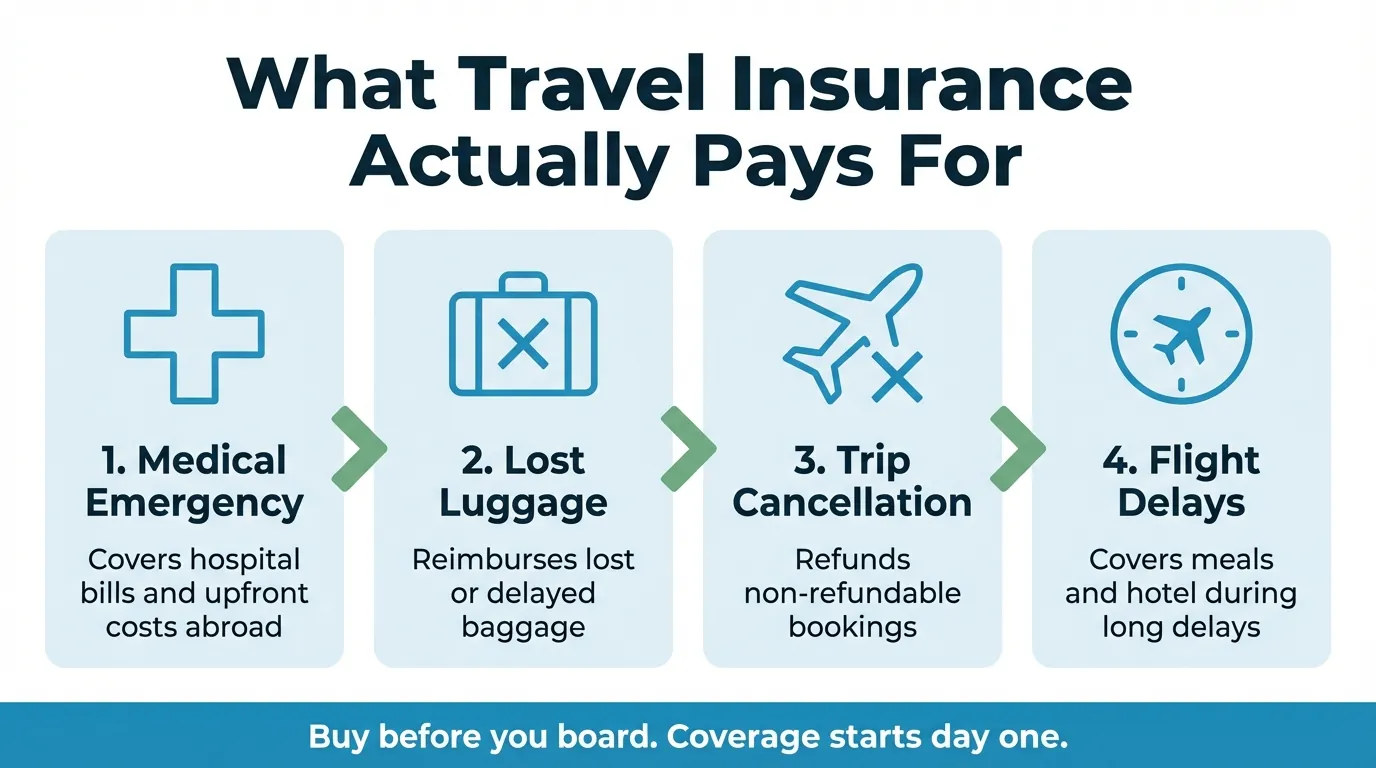
Medical emergencies abroad frequently demand upfront cash payment before anyone touches you. Hospitals in many countries flat-out reject Indian health insurance. Travel insurance for international trips covers emergency evacuations, lost luggage, trip cancellations, and delayed flights. Your policy activates from day one, not after disaster strikes.
Effective September 2025, individual health insurance is now available at 0% GST, which makes it meaningfully more affordable.
Buy it before you board.
How to Get Covered Without Making It Complicated
Senior citizen plans are available for ages 61 to 70. Most providers exclude this group entirely, so that distinction genuinely matters. Read your policy documents carefully before you travel.
Pack Smart and Travel Light - Your Future Self Will Thank You
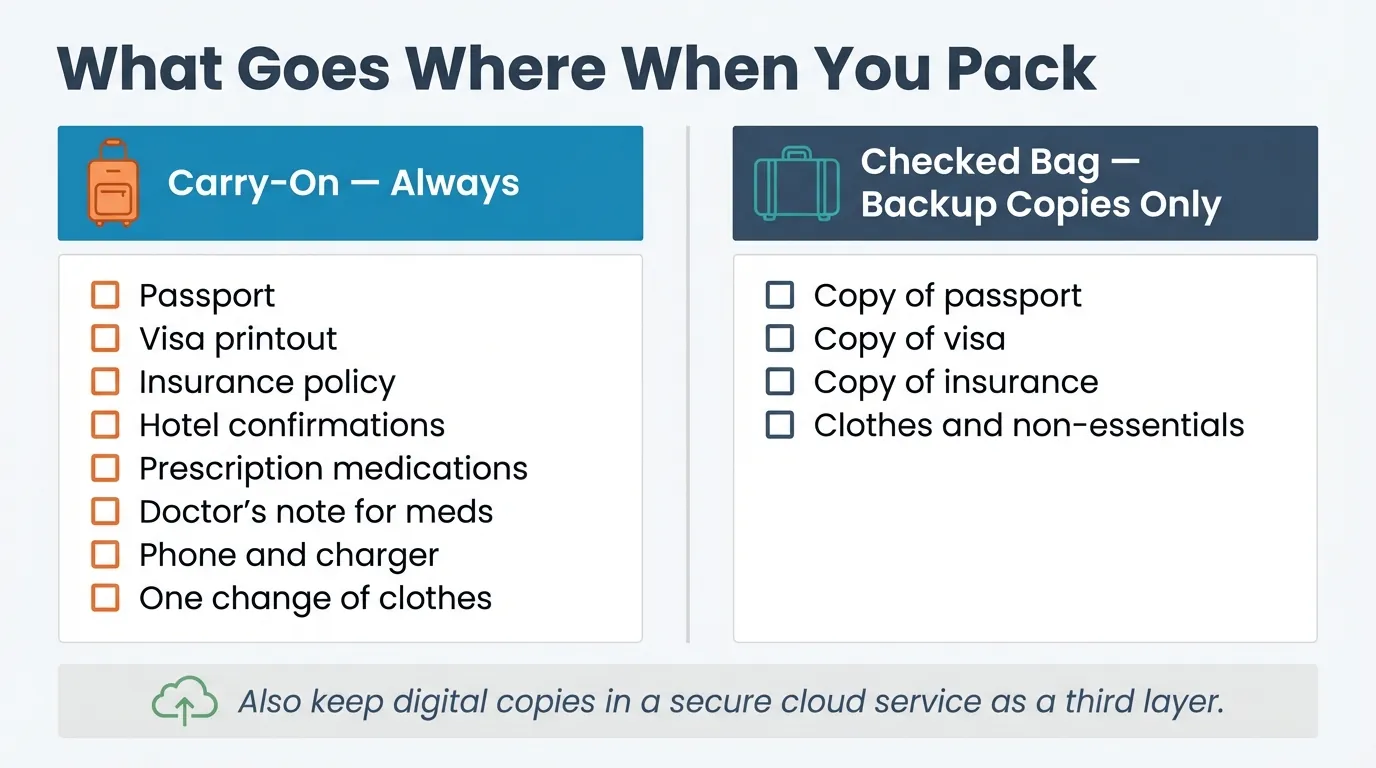
The Documents You Must Carry (And Why You Need Copies of Everything)
Heavy luggage is a nightmare in cities without elevators. It kills your pace on public transport. Gap year travel programs abroad consistently points to packing light as the single biggest quality-of-life upgrade you can make.
Pack light.
The Packing List That Actually Fits in One Bag
- Passport
- Visa printout
- Insurance policy
- Hotel confirmations
All of it goes in your carry-on. Tuck one copy of each into your checked bag as a backup. Earning academic credit while traveling recommends keeping digital copies on a secure cloud service as a third layer of protection. Some hotels in certain countries will hold your passport during your stay, so know your rights before handing it over.
Prescription medications belong in your carry-on, full stop. Never in checked luggage. Bring a doctor's note explaining each one.
Carrier roaming through Airtel or Jio can run Rs. 500 or more per day. Travelers frequently find that local prepaid SIM cards are a cost-effective option for data.. Apps to stay in touch with family abroad perform far better when you have dependable data from day one. Public Wi-Fi exists across major cities but drops in and out, and unsecured networks are a real risk.
Stay Connected and Stay Safe From the Moment You Land
How to Land Abroad With Data Already Working (No Airport SIM Queue Needed)
Carrier roaming through Airtel or Jio can run Rs. 500 or more per day. Travelers frequently find that local prepaid SIM cards are a cost-effective option for data.. Apps to stay in touch with family abroad perform far better when you have dependable data from day one. Public Wi-Fi exists across major cities but drops in and out, and unsecured networks are a real risk.
Simple Safety Habits That Protect You in Any City
Register with the US State Department STEP program before you fly. Run through the US State Department international travel checklist as your baseline for safety prep. Registered travellers get contacted by the local embassy when emergencies come up.
Wear a crossbody bag or fanny pack. Back pockets and outer backpack compartments are the first places thieves check. Travel.state.gov official safety resources recommends leaving a full copy of your itinerary with someone back home before you leave.
Drink water on the flight, keep arrival day light on commitments, jet lag hits harder than most people expect, and how to beat jet lag while traveling offers solid, practical guidance on managing it.
Work the Airport Like You've Done It a Hundred Times
What Actually Happens at Security and Immigration (So You Are Not Guessing)
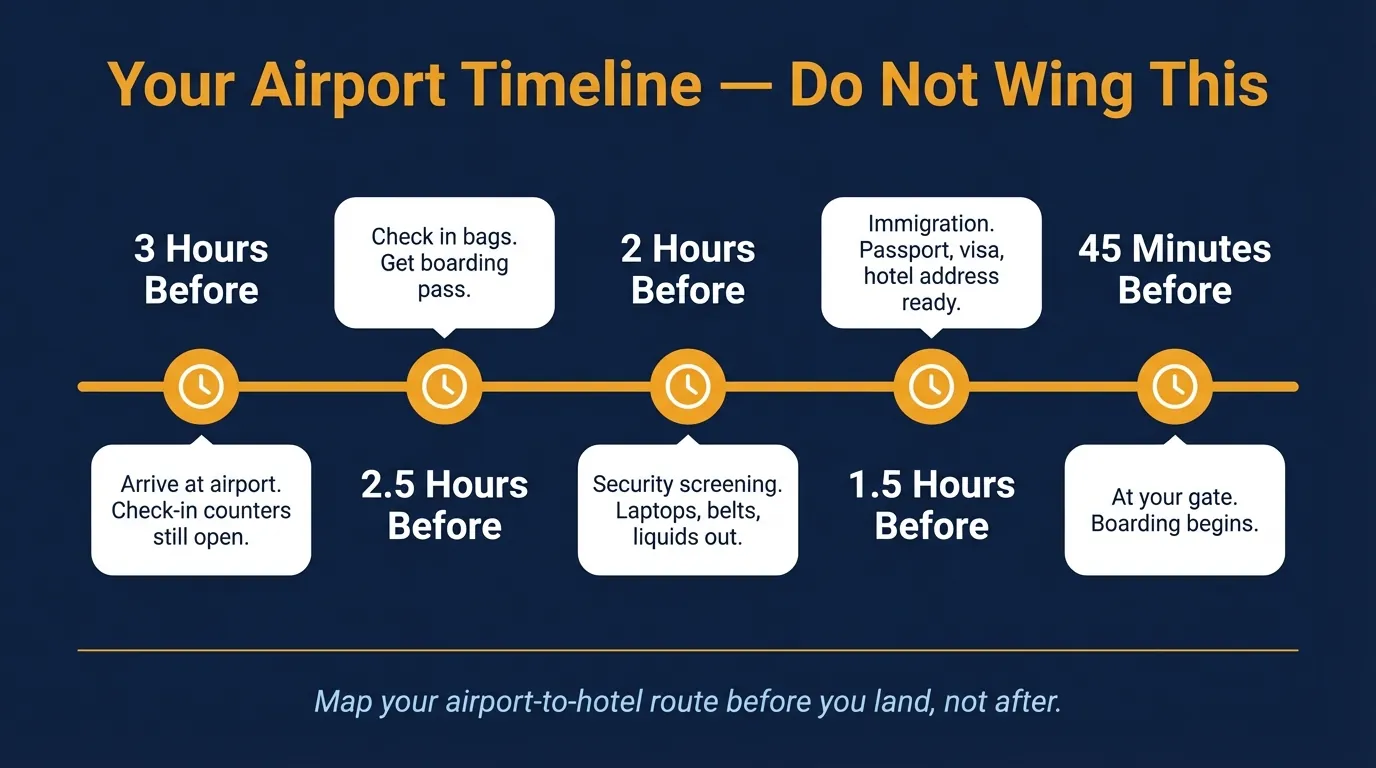
SBI General Insurance is clear on this: three hours before an international flight is a standard rule, not a suggestion. Check-in counters close earlier than they do for domestic flights. Security screening means pulling out laptops, belts, and liquids from your bag. Some airports have terminals miles apart, so that buffer time is doing real work.
Use Rome2Rio for transport routes or 12Go Asia for Asian transport booking to compare your options from the airport.
At arrival immigration, keep your passport, visa, and hotel address within reach. Answer questions honestly and briefly. Don't overthink it.
Across Europe, Cabify ride-hailing service and Bolt for affordable rides in Europe typically run cheaper than taxis in most cities.
Buses and subways win on cost once you know the route. GSA official government travel resources covers entry and transport guidance for specific destinations. Map your airport-to-hotel route before you land, not after.
You Are More Ready Than You Think
First international trips involve a lot of moving parts, but none of them are actually complicated once you take them one at a time.
- Passport
- Visa
- Destination research
- Insurance
- Airport navigation
Each piece is perfectly manageable on its own.
Check out the complete guide to traveling internationally for the first time whenever you want more depth on any stage.
Every seasoned traveler started from exactly where you are right now. Verify your passport validity today and pick one destination to research. International travel tips every first-timer needs goes deeper on the specifics. The first trip is always the hardest to plan and the easiest to remember.
